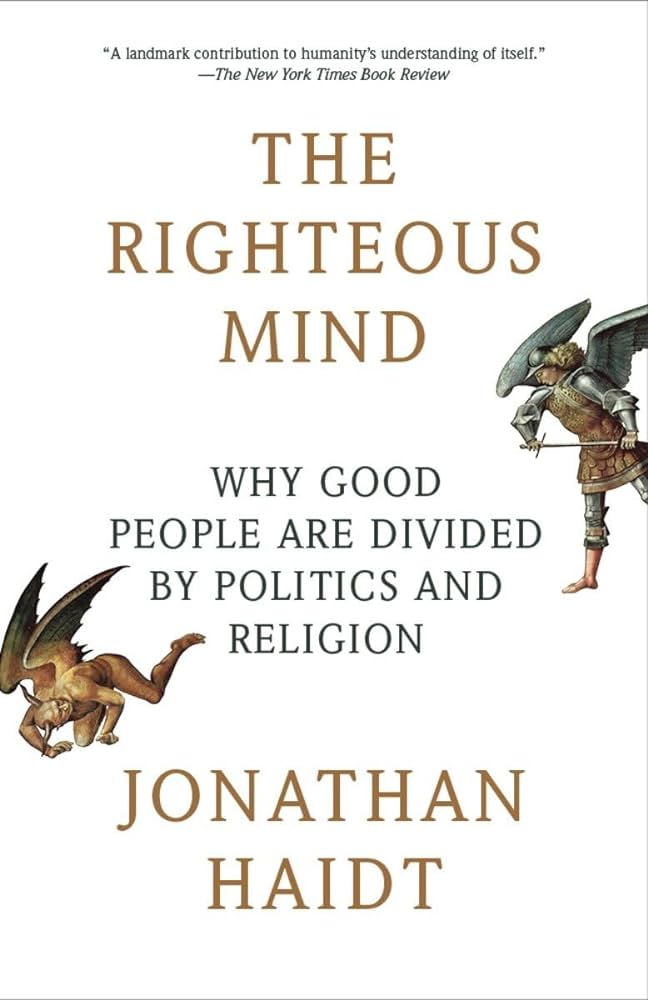
Was Hume right when he wrote that “reason is a slave to the passions”? We like to believe that we use reason to reach a particular view of an issue. Johnathan Haidt argues that, just as likely, we jump to a view based on an emotional response and then use our reasoning abilities to construct a defense of that position. Often, tragic events in world politics or distaste for opponents will lead people to demand that we “do something” in response to a challenge. This, in turn, often leads to wishful thinking about our capability to achieve a desired outcome at an acceptable cost. In reality, however, almost nothing important can be achieved easily, quickly, or inexpensively. Like Thinking, Fast and Slow, this book helps you understand yourself, and it can enable you to guard against dangerous emotion-driven reactions.