


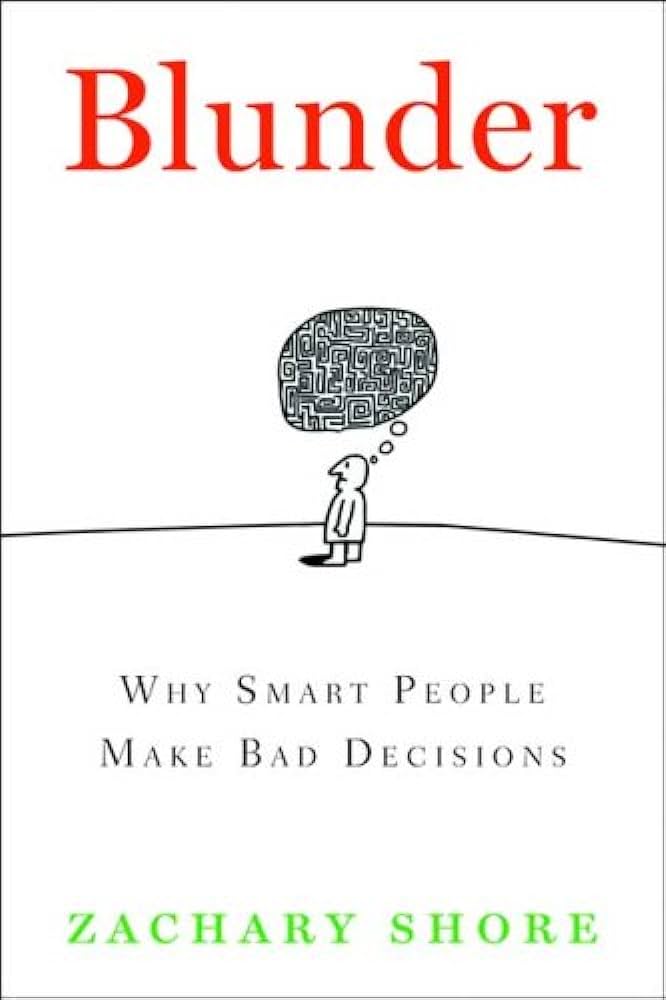
Even the smartest individuals in positions of political and military leadership will make bad decisions—blunders—under the pressure of time and when dealing with incomplete information. Zachary Shore weaves together historical episodes, contemporary case studies, and political science analysis to identify the common cognitive traps that lead to such blunders. He describes a variety of concepts such as exposure anxiety, causefusion, infomania, and mirror imaging, accompanied by a wide array of illustrative examples showing how these led decision makers astray. The author shows that aspiring policy makers need to operate with strategic humility and awareness of cognitive biases, as well as seek out alternative perspectives and dissenting views as part of the decision-making process.
Guiding Questions
- What are some recent instances of cognitive traps impeding decision-makers in the foreign policy or national security space, and how would this boo recommend a different approach?
- How do Shore’s “blunder types” reveal the limitations of intelligence, expertise, and rational planning in important instances of decision-making?