
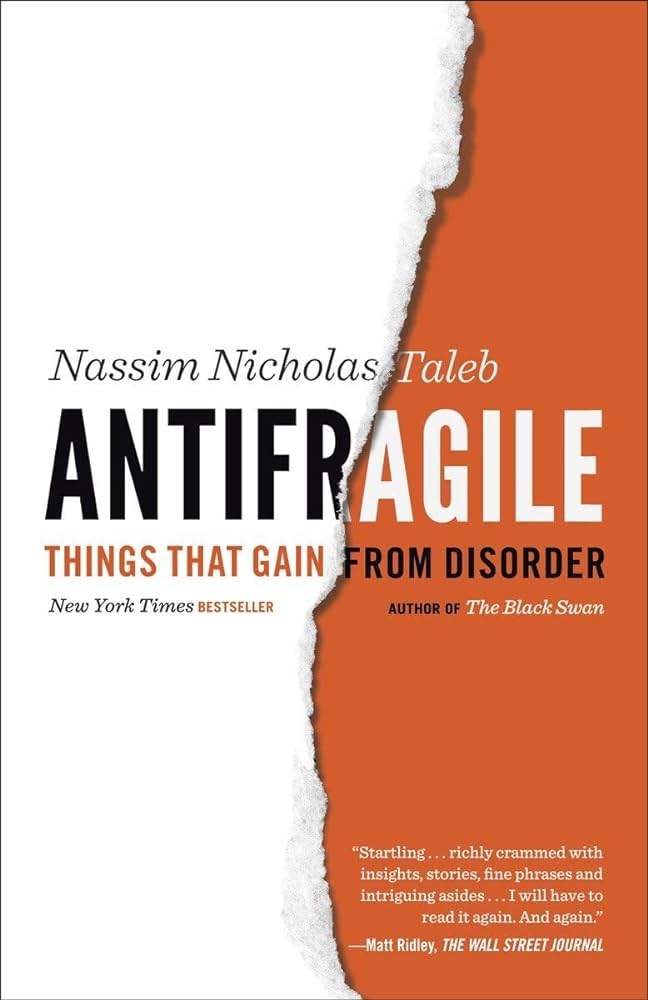
This book is about the challenge of operating in a constantly changing world that disrupts expectations and plans. The author at one point asks the reader what is the opposite of “fragile.” Most people would reply “resilient” or “solid.” He counters that, while fragility entails vulnerability to shocks, words like “resilience” mean the ability to withstand such events. The true opposite, however, has to imply that you not only withstand shocks but actually “gain from disorder.” This is a valuable strategic insight. You will make strategies and plans, but in the immortal words of boxer Mike Tyson, “Everyone has a plan until they get punched in the mouth.” False assumptions, inevitable uncertainties, disruptive events, opponent’s deception, or bad luck can derail the best laid plans, as well as those of your opponents. Your strategy must position you to be able to adjust and, if possible, benefit from those surprises. Understanding this phenomenon, and learning to think about achieving “anti-fragility,” are the take-aways of this book.
Guiding Questions
- How can individuals and systems cultivate antifragility in environments characterized by uncertainty, volatility, and incomplete knowledge?
- In what ways does Taleb challenge conventional wisdom about prediction, intervention, and risk, and how does his concept of “via negativa” reshape our understanding of decision-making and progress?