
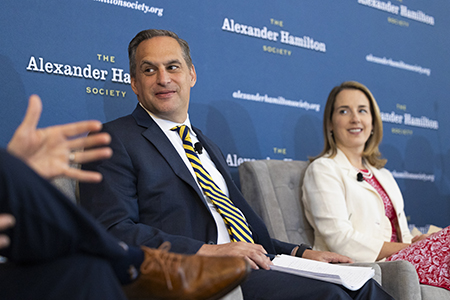


A theory of ethics governing war—just war theory—has existed for millennia in the West and other civilizations. James Dubik, who served as a lieutenant general in the U.S. Army and deployed to Iraq and Afghanistan, not only reprises the fundamental tenets of Western just war heory but also reflects on how its principles should be operationalized amid the realities of modern war. He observes that during times of peace and war, senior civilian and military leaders hold immense responsibilities to their citizens and soldiers to make decisions on the use of force in an intentional, open, decisive, and moral way. This entails a responsibility to foster, tolerate, and provide candid advice and to challenge poor thinking. Dubik’s reflections on just war theory usefully extend in new ways to the planning phase of conflict as well as to the need to achieve a post-conflict order that vindicates the costs of war.
Guiding Questions
- Dubik discusses the concept of responsibility that command and leadership owe to their “citizens become soldiers”. Similar to this, what responsibility does leadership owe citizens as a whole when engaging in a conflict, and what do they owe to the families and loved ones of their soldiers?
- How does candid dialogue influence decision-making in both detrimental and positive ways?