

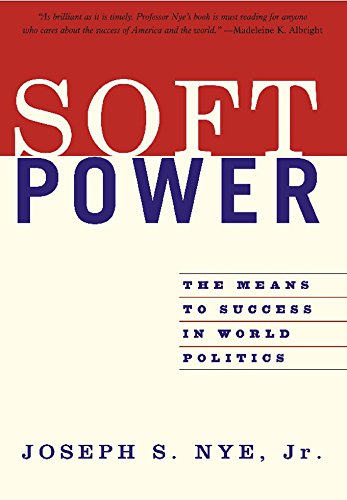
In the post-Cold War period, a debate arose on whether the United States should project its influence through hard power, such as military capabilities and economic coercion, or through so-called soft power. This book by Joseph Nye, a scholar and practitioner, originated the idea of soft power, which is based on the power of attraction. It involves getting others to follow you based on the attractiveness of your culture, political values, and policies. It is produced by such instruments as academic and scientific exchanges, open diplomacy to take into account needs of others, multilateral cooperation, domestic economic growth, and effective strategic communications. Unlike some who exaggerated the potential of soft power to substitute for hard power, the author argues that the two should be used in concert and shaped to take into account the specifics of each context. This book will help an aspiring strategist think about another dimension of power that can at times be useful.
Guiding Questions
- What are the core strengths and purposes of soft power?
- What is the best way for soft power to interact or combine with hard power? 3. How do technological changes impact the scale, scope, and effectiveness of soft power?