

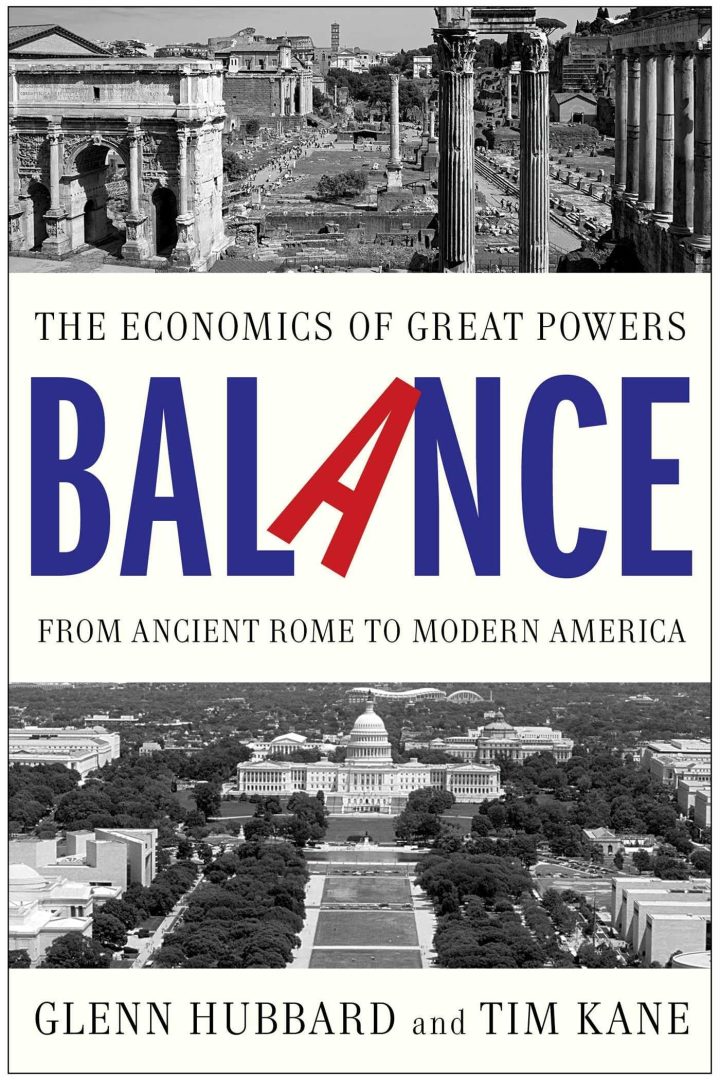
A key theme of this book is that a state does not become a great power without doing some important things right internally. A great power needs political institutions and an economy that generate a surplus that it can spend on military forces, foster trade relationships, or support a culture attractive to other societies. A related theme is that a great power stays great only if it preserves the sources of its success. If internal political or economic dysfunctions take hold, it is on the path to decline, as its surplus erodes, its power hollows out, and its enemies gain advantages.
Quote
Imagine our challenge in dissecting the fall of Rome as that of an historian two thousand years in the future, after a third millennium of dark ages has ravaged most evidence. Will they speak of the American troops of Petraeus and Eisenhower as if they were the same army? Will they smear together the rule of George Washington and George W. Bush and some other President George circa 2180 as if they were roughly the same executives?
Guiding Questions
- What policy prescriptions in the present logically follow from this book's conclusions? Are they being executed under this administration?
- Has the nature of debt and the world economy changed in the age of globalization and the Internet? Why or why not?