
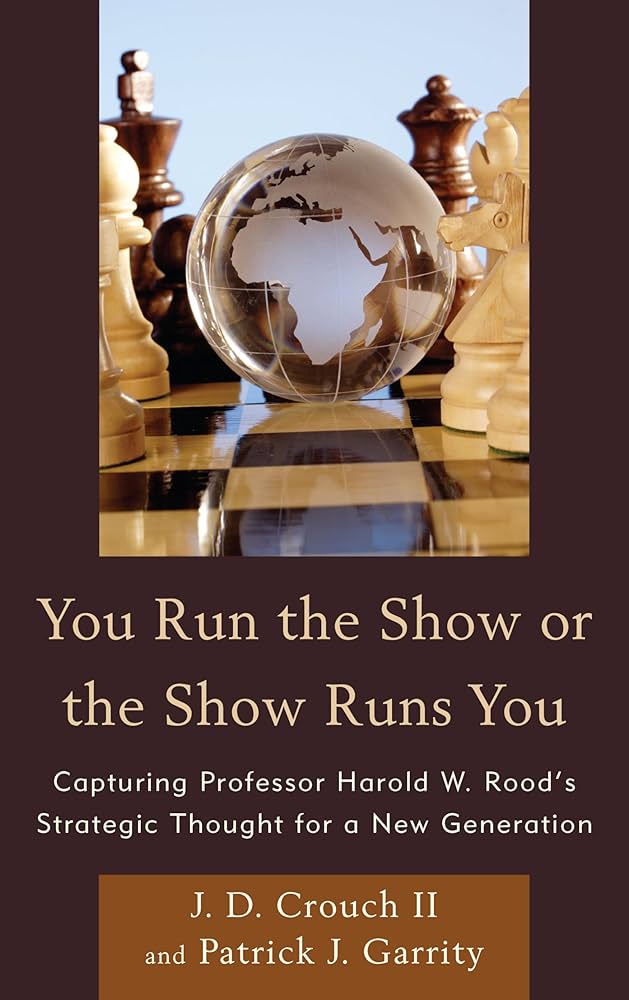
As the title of the book suggests, a great power can be indifferent to formulating and executing an effective strategy only at its peril. J.D. Crouch and Patrick Garrity, two distinguished scholar-practitioners, summarize the strategic thought of Harold Rood, who taught in an earlier era when academia took strategy seriously. Rood took geography seriously, analyzing why the United States should pursue a forward-based strategy to prevent adversaries from controlling the rimlands of the Eurasian landmass. In this regard, alignments or alliances with rimland powers become vital, not only for forward defense, but also to be positioned to compete in key territories where great power competitions repeatedly clashed in history. Most of all, the book is a treatise on the imperative for the United States to maintain an active global role. To abandon this role would compromise U.S. interests and values, as well as imperil the continuation of the long-standing U.S.-orchestrated peace among the great powers.
Guiding Questions
- How does this book address the 'restrainer' camp of American foreign policy? How would you address these skeptics of American influence?
- To what extent does non-American agency matter to American foreign policy? Does this have implications for soft power?